









September 18, 2026 | by: Summit Hotels …
TL;DR
Historical sites in Cebu let you explore Spanish-era landmarks, religious sites, museums, and ancestral homes while learning how Cebu shaped Philippine history.
- Visit Fort San Pedro and Magellan’s Cross in one trip.
- Explore museums for deeper insight into Cebu’s past.
- Check schedules and fees before visiting each landmark.
- Start early and group nearby attractions to save time.
Cebu has played a central role in Philippine history. From the arrival of Christianity in 1521 to its rise as a major center of trade, religion, and culture, the city has witnessed events that helped shape the nation. Today, you can trace that history through Spanish-era churches, ancestral homes, forts, museums, and other well-preserved landmarks.
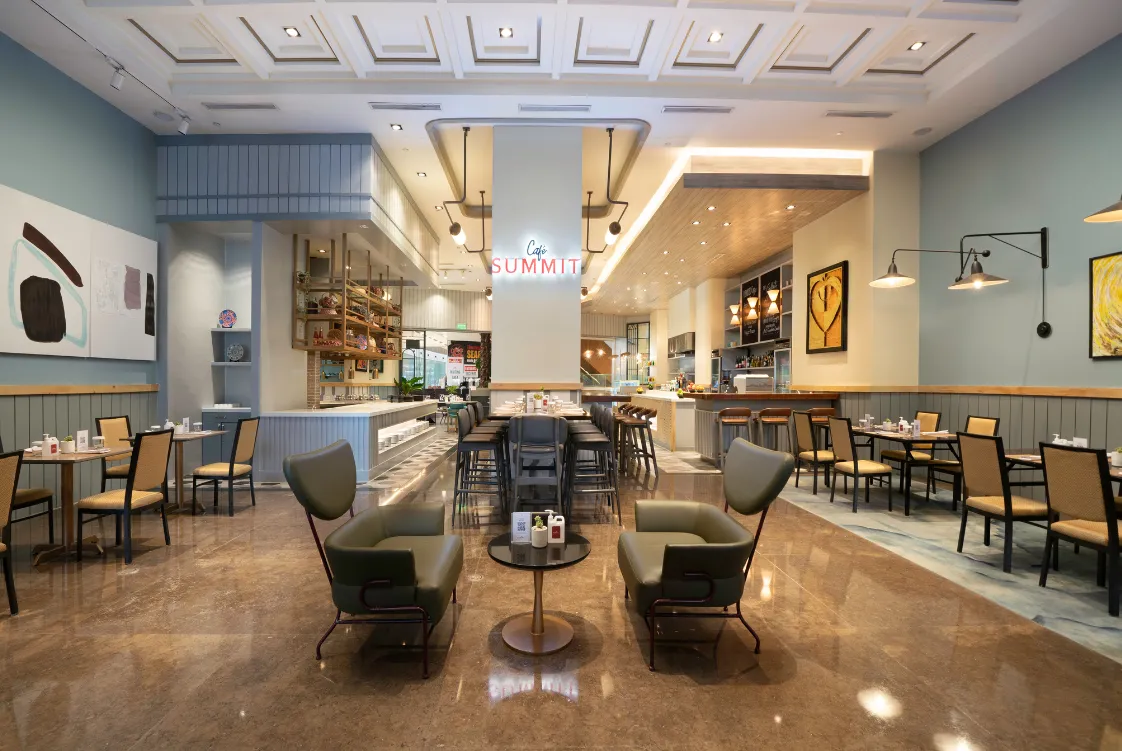
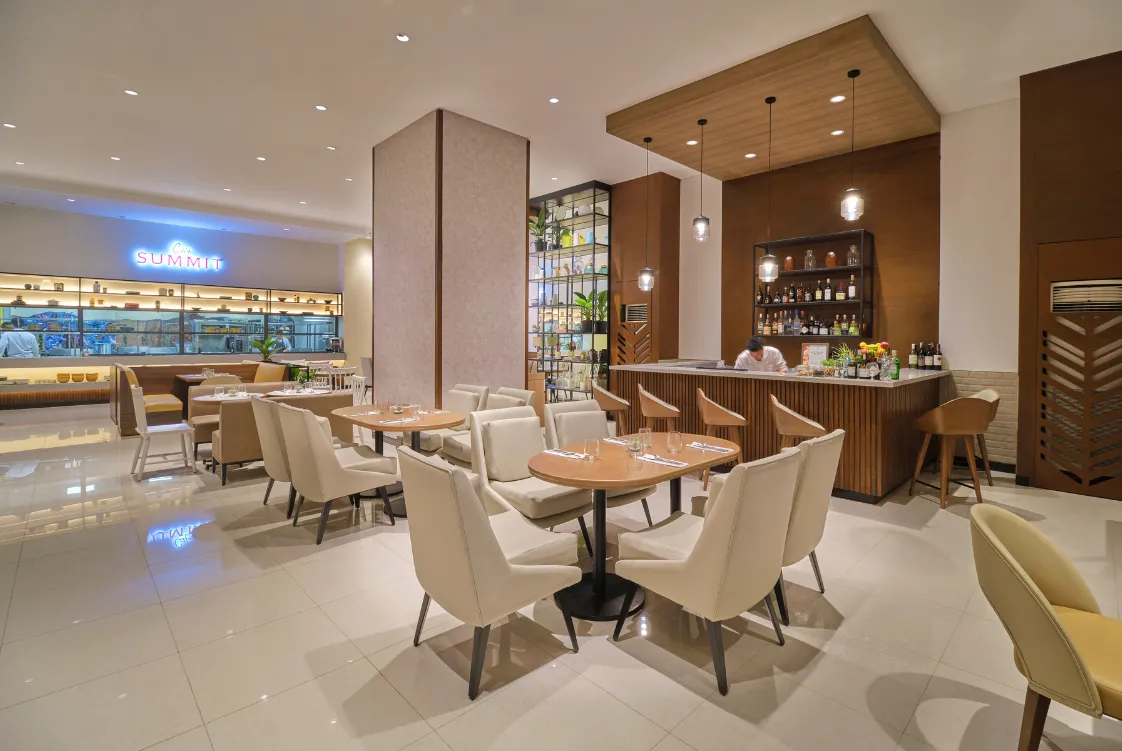
Explore historical sites in Cebu and get a closer look at the people and events behind its modern identity. If you plan to visit several landmarks, a centrally located stay like Summit Galleria Cebu can make getting around easier.
Here are seven historic sites worth adding to your Cebu itinerary, along with essential visitor information and tips for planning your tour.
7 Historic Sites in Cebu Worth Exploring
Step inside ancestral homes, explore former government buildings, and visit museums that reveal different chapters of the province’s past. These seven stops give a full picture of Cebu’s history.
1. Casa Gorordo Museum
Step into Cebu’s 19th-century past at Casa Gorordo Museum, a restored ancestral home that once belonged to the Gorordo family. The house preserves period furnishings and religious artifacts that offer a glimpse into the lifestyle of a prominent Cebuano family during the Spanish and early American periods.
Located at 35 E. Aboitiz Street in the Parian district, the museum is a worthwhile stop if you want to see Cebu's old residential quarter. Guided tours provide historical context as you move through the rooms and exhibits.
Visitor information: Casa Gorordo Museum is open Monday to Saturday, 9:00 AM to 5:00 PM. Check the museum's official website for current admission fees and tour details.
2. National Museum of the Philippines – Cebu
For a broader look at Cebu and the Visayas, head to the National Museum of the Philippines – Cebu. The museum occupies Aduana, or Customs House, a 1910 building that later served as Malacañang sa Sugbo.
Its archaeological, ethnographic, and historical collections span different periods of regional history and offer a useful way to understand Cebu beyond its Spanish colonial landmarks. The museum also lets you explore a significant historic building while viewing regional artifacts.
Visitor information: The National Museum of the Philippines – Cebu is open daily from 9:00 AM to 6:00 PM with free admission. Groups of 20 or more should reserve in advance.
3. Fort San Pedro
Fort San Pedro stands near Plaza Independencia and remains one of Cebu’s most recognizable Spanish colonial landmarks. Built as a military defense structure, the triangular fort reflects Cebu’s importance as a Spanish settlement and trading center.
Walk along its stone walls and bastions, then explore the gates and exhibits within the grounds. Its location also makes it easy to pair with the National Museum and other nearby attractions so that you can cover several historical sites in Cebu City in one outing.
Visitor information: An entrance fee applies, with discounts available for students, seniors, and PWDs. Confirm the current rates and opening hours with the Cebu City Government before your visit.
4. Basilica Minore del Santo Niño
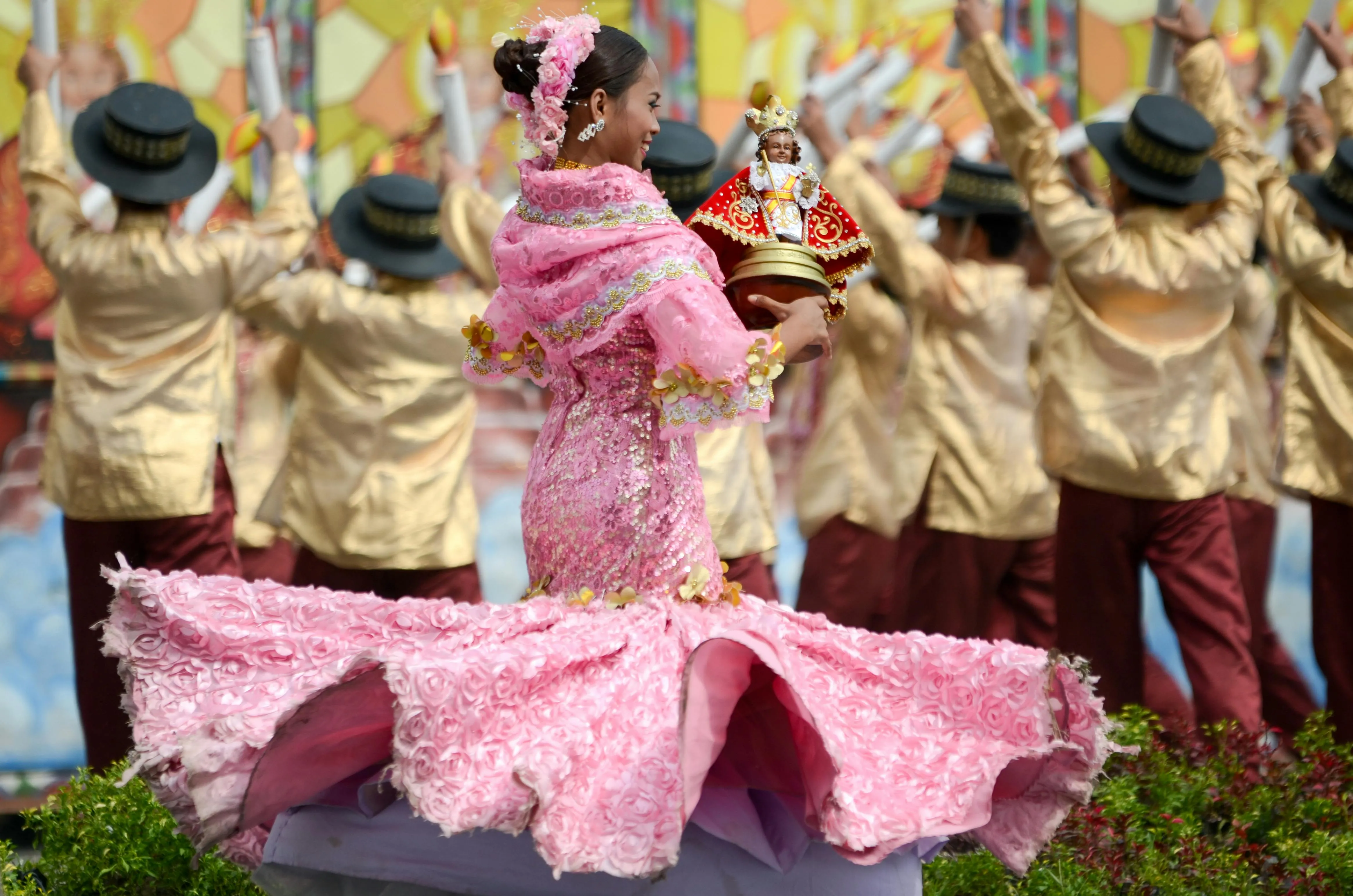
The Basilica Minore del Santo Niño holds a special place in Cebu’s religious and cultural history. The church traces its roots to the arrival of Christianity in Cebu in 1521 and houses the revered image of the Santo Niño.
Inside, you can appreciate the basilica’s architecture while learning about the enduring devotion surrounding the Santo Niño. As a working church, it remains an active place of worship, so visitors should behave and dress appropriately.
Visitor information: Gates are open daily from 4:00 AM to 9:00 PM. Admission is free; check the official schedule for masses and special religious events.
5. Museo Sugbo
Museo Sugbo tells Cebu’s story, from its pre-colonial roots to more recent chapters. The provincial museum occupies the former Cebu Provincial Detention and Rehabilitation Center, which adds another layer of history to the visit.
Its galleries cover pre-colonial Cebu, Spanish rule, World War II, and other notable periods of local history. The museum deserves a place on your itinerary if you want a stop that covers several periods.
Visitor information: Hours and exhibit schedules can vary. Check the Cebu Provincial Government's latest announcements before visiting.
6. Cebu Metropolitan Cathedral
The Cebu Metropolitan Cathedral traces its institutional roots to the Diocese of Cebu's establishment in 1595, making it one of the city's oldest Catholic institutions. The cathedral has undergone several reconstructions over the centuries, including rebuilding after World War II.
Its relatively quiet atmosphere makes it a good addition to a heritage walk, especially if you enjoy architecture and religious history. Take time to observe its façade and interior before continuing to nearby landmarks.
Visitor information: Entrance is generally free. Check current church schedules and observe services when visiting.
7. Magellan’s Cross
Located beside the Basilica Minore del Santo Niño, Magellan’s Cross is Cebu’s most recognized historical landmark. It marks the site where Ferdinand Magellan's expedition planted a wooden cross in Cebu in 1521, an event closely tied to the introduction of Christianity to the island.
Since the pavilion and basilica stand next to each other, you can easily visit both in a single stop. Allow a little extra time to appreciate the artwork and the historical context behind the landmark.
Visitor information: Entrance is free. Visiting conditions may change during religious events; check local schedules before your trip.
6 Tips for Planning an Efficient Heritage Tour in Cebu
A little preparation can make your heritage tour easier, especially when you want to visit several landmarks in one day. Map out your stops ahead of time, but leave enough room for meals, photos, and a few unplanned discoveries along the way.
1. Start your tour early
Visit popular landmarks in the morning before crowds build up and the midday heat sets in. An early start also gives you more time to explore museums and churches without rushing.
2. Group nearby attractions together
Plan your route by location instead of moving randomly around the city. Group these stops to save travel time and explore longer. Fort San Pedro, the National Museum, Magellan’s Cross, and the Basilica Minore del Santo Niño sit close enough to visit during the same outing.
3. Dress comfortably and respectfully
Wear comfortable walking shoes since heritage tours often involve walking between landmarks and around historic grounds. Choose light, breathable clothing for Cebu’s warm weather, but dress appropriately when visiting churches and follow their visitor guidelines.
4. Bring cash and essentials
Carry small bills for entrance fees, local transportation, snacks, and other expenses. You’ll also want water, sunscreen, and an umbrella. A portable charger can help if you rely on your phone for directions and photos.
5. Pair heritage tours with local dining
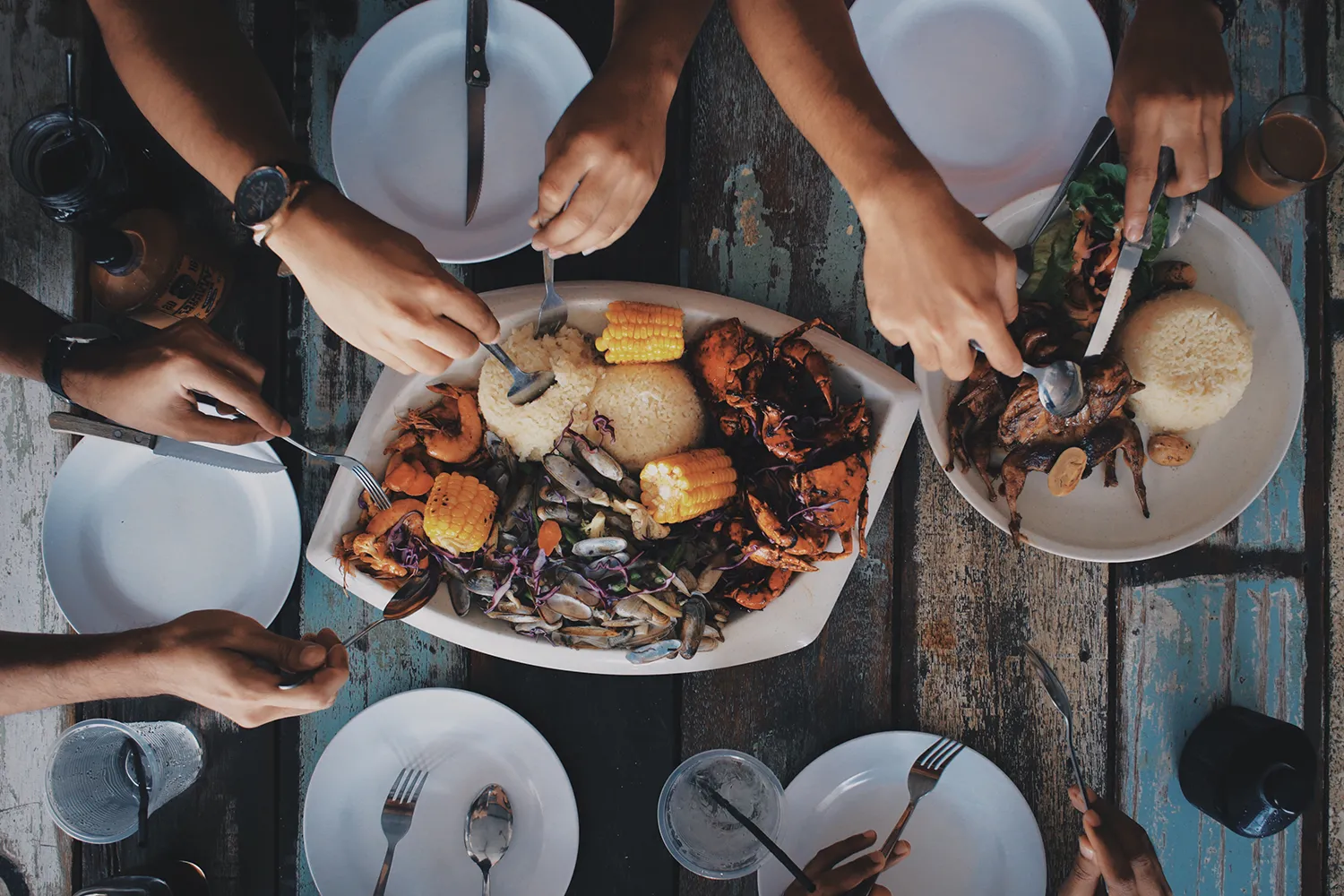
Make time for Cebu’s food scene between historic stops. Grab a meal or coffee at a nearby restaurant, then browse a local market or souvenir shop if your schedule allows. These breaks give you a chance to rest before continuing your tour.
6. Stay near Cebu’s historic district
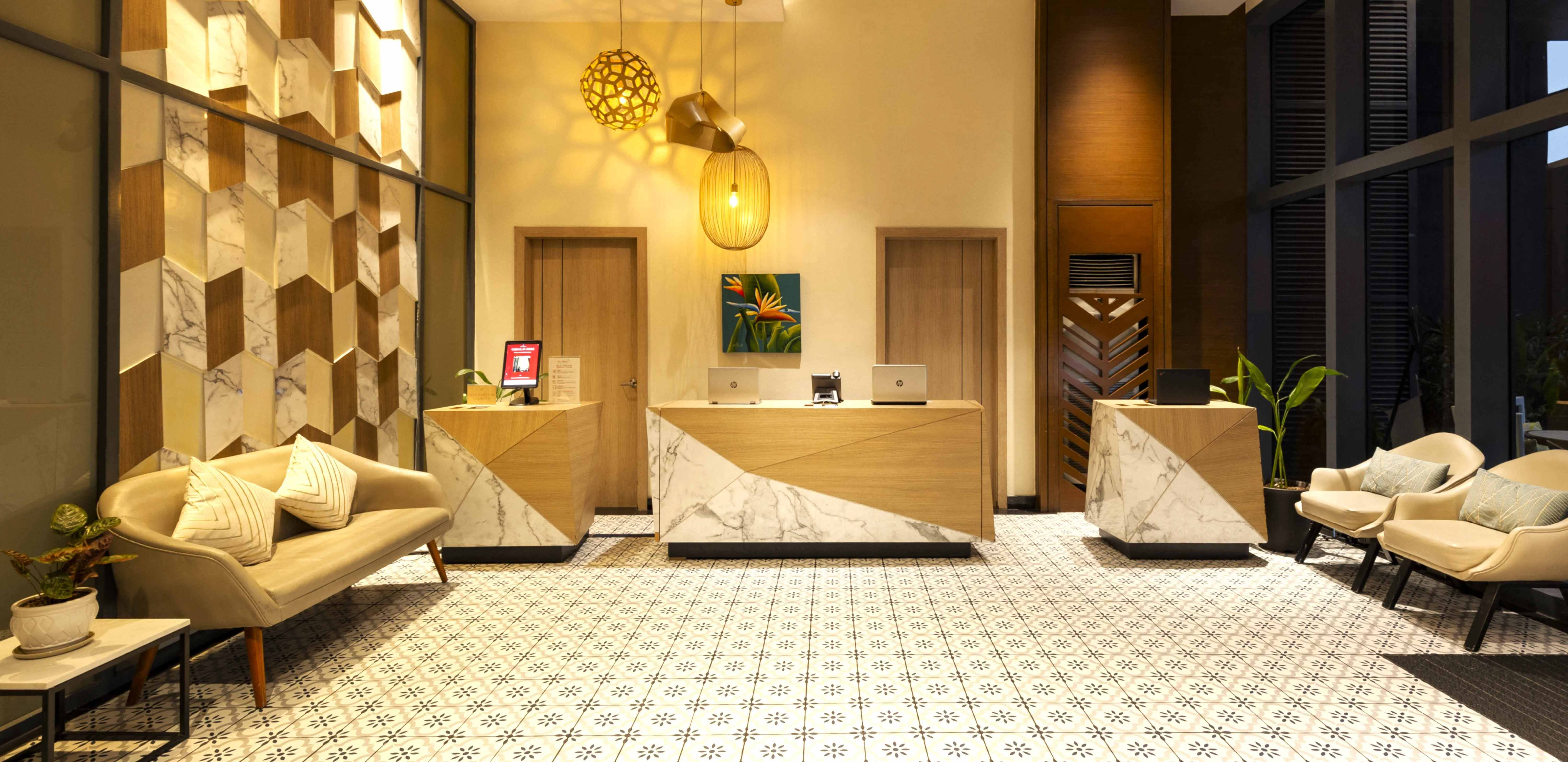
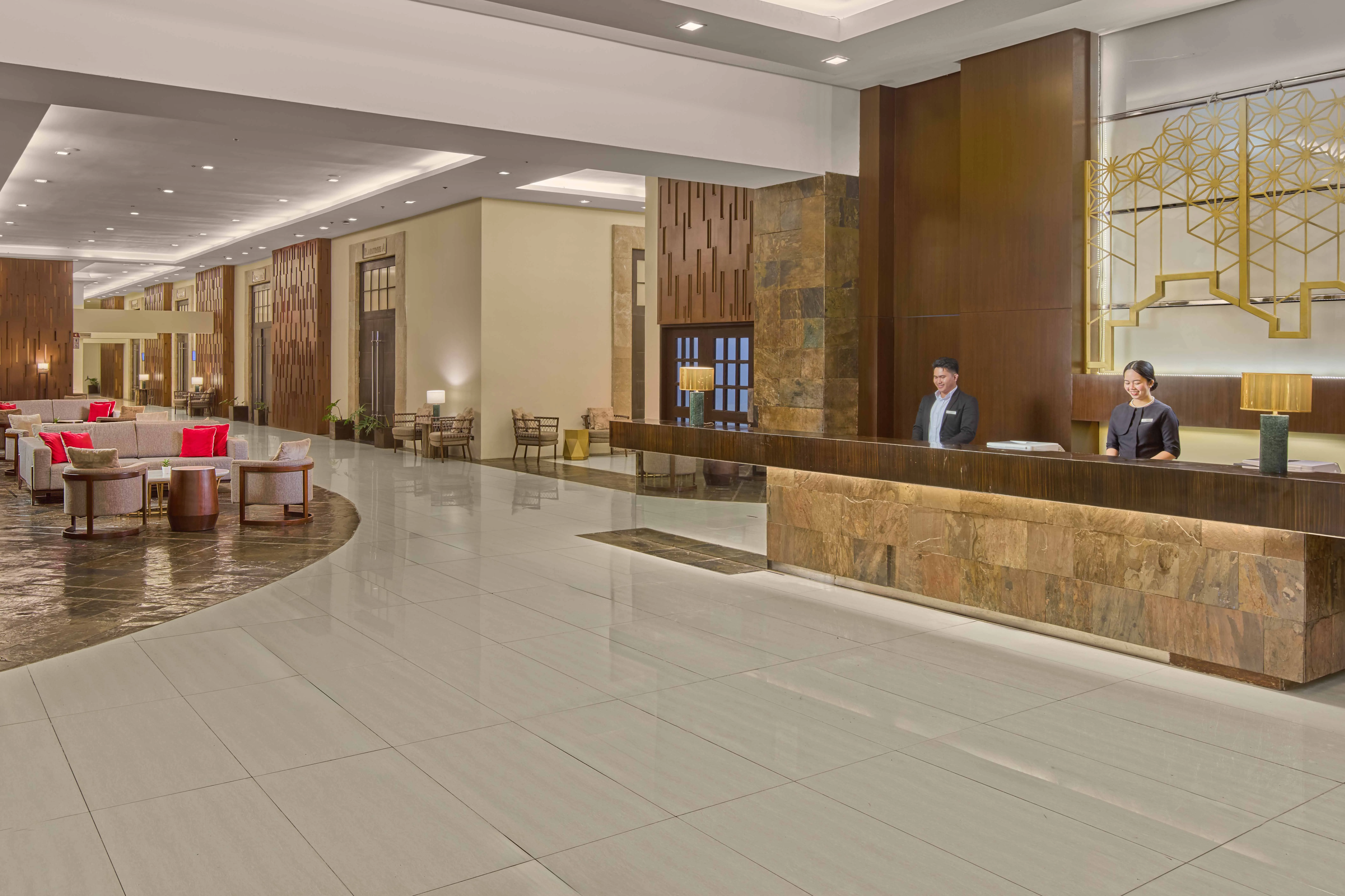
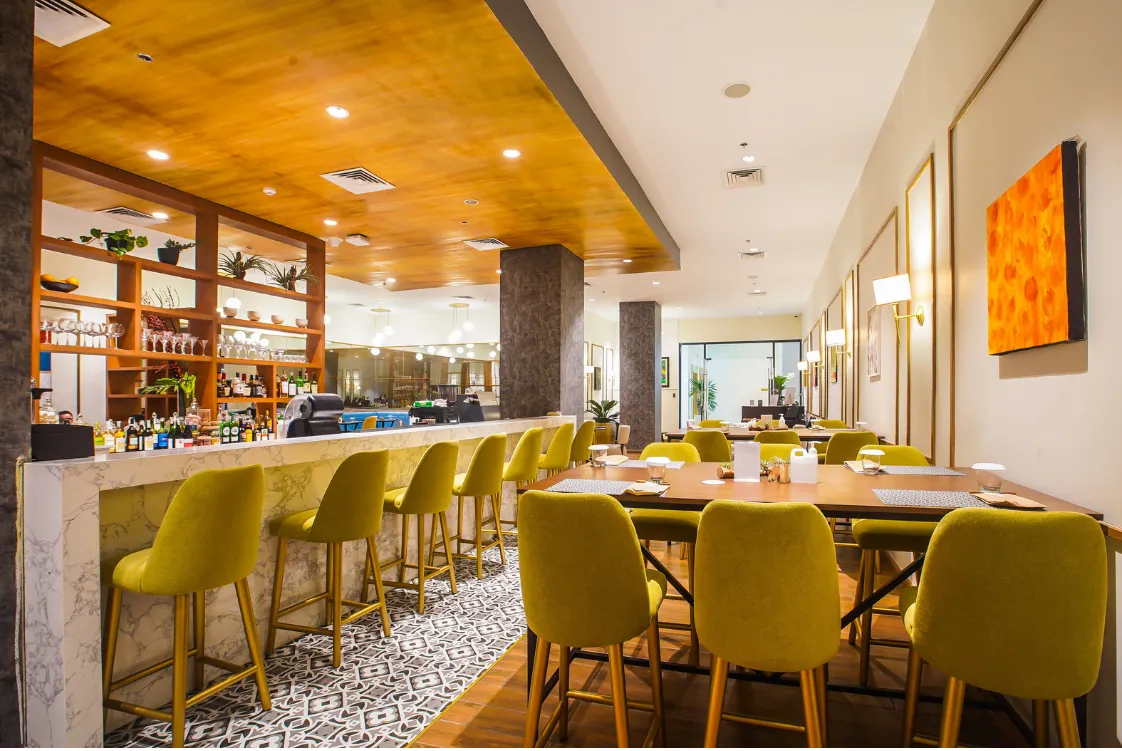
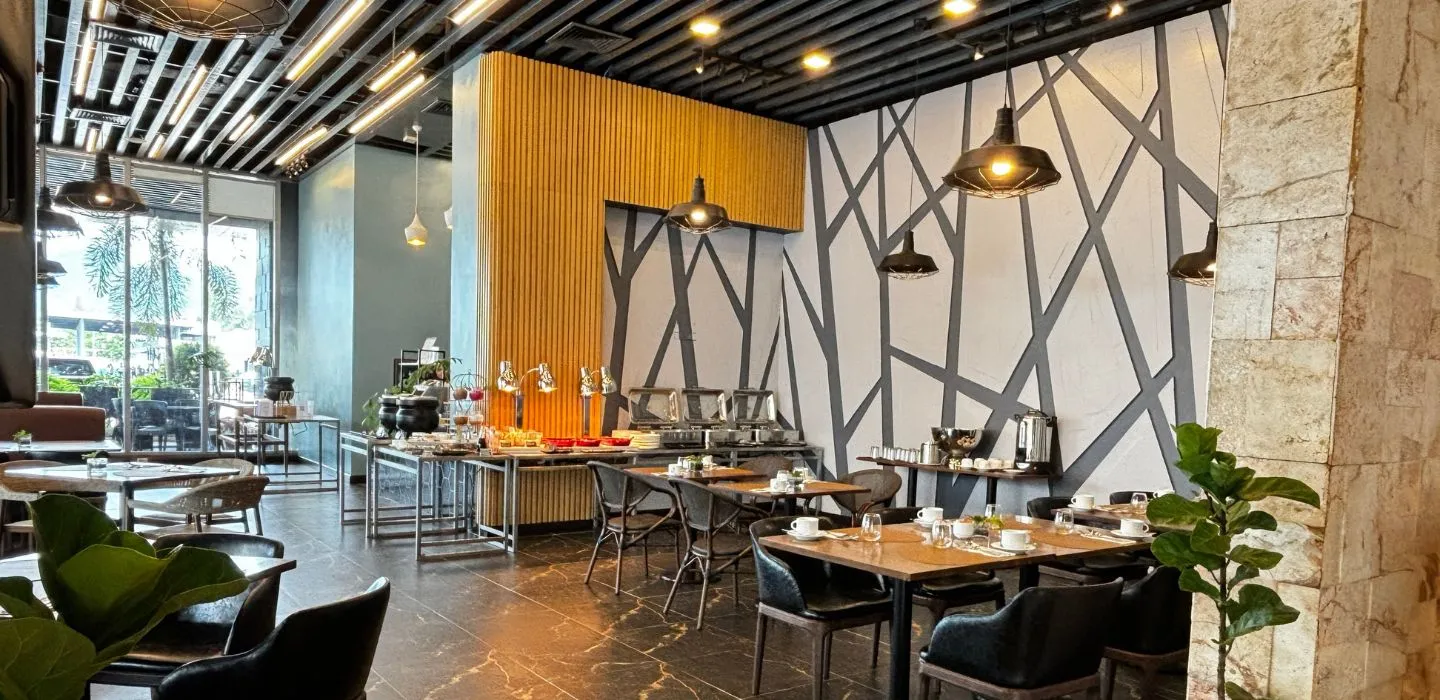
A centrally located hotel in Cebu City can make it easier to reach several attractions without spending too much time on the road. Summit Galleria Cebu offers convenient accommodations for travelers exploring Cebu’s historic and cultural districts. If you’re bringing a small pet, check Summit’s pet-friendly policy before booking to confirm the current requirements.
Make Your Cebu Trip One to Remember
Cebu’s historic landmarks give you a closer look at everything that shaped the city. Take time to explore both familiar landmarks and quieter heritage stops, and plan your route around opening hours and travel time for a smoother day.
Planning a heritage getaway with the family? Summit Galleria Cebu offers a convenient base for exploring Cebu City’s historic and cultural attractions. As a pet-friendly hotel in the Philippines, it can also accommodate guests bringing small pets, subject to its current policy.
Book your stay at Summit Hotels and make your Cebu heritage trip more convenient.
FAQs
What are the most popular historic sites in Cebu?
Some of Cebu’s most visited historic landmarks include Fort San Pedro, Magellan’s Cross, the Basilica Minore del Santo Niño, and the Cebu Metropolitan Cathedral. Museums such as Casa Gorordo Museum, Museo Sugbo, and the National Museum of the Philippines – Cebu offer additional perspectives on Cebu’s history.
Where can you find historic sites in Cebu City?
Many major heritage attractions sit within or near Cebu City’s historic district. Fort San Pedro, the National Museum, Magellan’s Cross, and the Basilica Minore del Santo Niño are located close to one another, making them convenient stops for a heritage tour.
How can you plan a Cebu heritage tour?
Start early, group nearby attractions, and check current opening hours and admission fees before you leave. Wear comfortable shoes, bring water and sun protection, and leave time for meals or breaks between stops.
What should you wear when visiting Cebu churches?
Wear comfortable clothing that also respects church guidelines. When visiting religious sites such as the Basilica Minore del Santo Niño and Cebu Metropolitan Cathedral, choose modest attire and follow dress requirements posted at the entrance.
Can you visit Cebu’s historic sites with a pet?
Pet access varies by attraction, so check each site’s current visitor policy before your trip. If you’re bringing a small pet, choose a pet-friendly hotel to make your heritage getaway easier to manage.